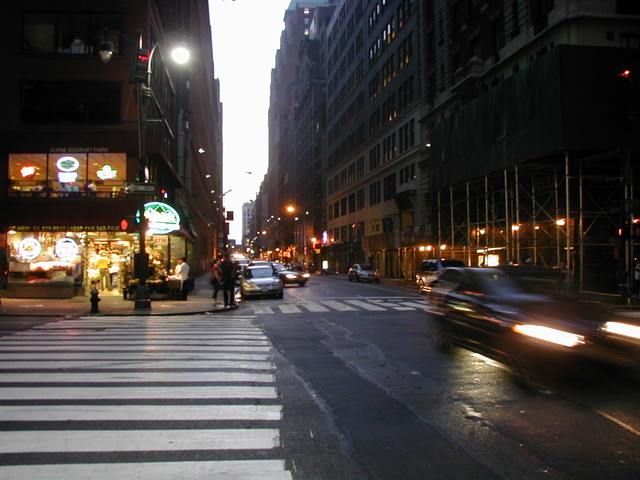
Cars have played a crucial role in the history of transportation. From the moment the first gasoline-powered vehicle hit the roads, cars have revolutionized the way we move from one place to another.
In the early 20th century, cars were seen as a luxury item, only owned by the wealthy. However, as the decades passed, cars became more affordable and accessible to the general public. This led to a boom in car ownership, with more and more people choosing to own a car rather than rely on public transportation.
Cars have not only made it easier for individuals to travel, but they have also had a major impact on the economy. The automotive industry has become a major contributor to national economies, providing jobs and economic growth. In addition, the rise of cars has led to the development of highways, roads, and other infrastructure to support the growing number of vehicles on the roads.
But cars have not only brought benefits. The increased reliance on cars has also led to negative impacts on the environment, such as air pollution and carbon emissions. This has sparked discussions and efforts to find more sustainable forms of transportation, such as electric cars and alternative fuels.
Despite these challenges, cars continue to play a central role in the transportation landscape. As technology advances and new developments are made, cars will continue to evolve and shape the way we move from one place to another. It is important to consider the importance of cars in the history of transportation and their ongoing impact on society.
As a society, we often take for granted the importance of pets in our lives. From providing companionship and emotional support to offering physical health benefits, pets play a crucial role in enhancing our overall well-being.
One of the most obvious benefits of owning a pet is the companionship they provide. For many people, especially those living alone or dealing with mental health issues, pets can be a source of constant support and comfort. They offer unconditional love and affection, which can be incredibly therapeutic for those struggling with loneliness or anxiety.
In addition to emotional support, pets can also provide physical health benefits. Studies have shown that owning a pet can lower blood pressure, decrease feelings of stress and depression, and even improve cardiovascular health. For older adults, pets can provide much-needed physical activity and socialization, helping to prevent isolation and promote overall health.
Furthermore, pets can also serve as a valuable tool in community-building and socialization. Dog owners, for example, often form friendships and social connections while out on walks with their pets. This can be especially beneficial for those living in urban areas where opportunities for community engagement may be limited.
It is clear that pets play a valuable role in our lives and in society as a whole. They offer companionship, emotional support, and physical health benefits, and help to foster a sense of community and connection. As a society, it is important that we recognize and appreciate the importance of pets in our lives.
As human beings, we are naturally inclined to create things. Whether it be through art, music, writing, or even something as simple as cooking a meal, the act of creation brings us a sense of fulfillment and pride.
But beyond the personal satisfaction of creating, there are many important reasons to consider the importance of creating things.
Firstly, creating allows us to express ourselves and our ideas. It provides an outlet for our emotions and allows us to communicate with others in a unique and powerful way. By creating, we can share our thoughts, feelings, and experiences with the world, and potentially inspire and connect with others.
Secondly, creating allows us to problem solve and innovate. When we create something, we are forced to think critically and come up with solutions to challenges and obstacles. This not only sharpens our problem-solving skills, but it also allows us to come up with new and innovative ideas that can have a positive impact on the world around us.
Thirdly, creating allows us to develop and grow as individuals. When we create, we are forced to step outside of our comfort zone and try new things. This not only helps us to learn and develop new skills, but it also helps us to discover our own talents and interests.
In today’s fast-paced world, it can be easy to get caught up in the hustle and bustle of daily life and neglect the act of creating. But by taking the time to create, we not only fulfill a natural human desire, but we also open ourselves up to personal growth, expression, and innovation. So let’s make the effort to carve out time for creation in our lives, and see the positive impact it can have.
Trees are more important today than ever before. More than 10,000 products are reportedly made from trees. Through chemistry, the humble woodpile is yielding chemicals, plastics and fabrics that were beyond comprehension when an axe first felled a Texas tree.
Going out into nature is important for a variety of reasons. For one, spending time in nature can help reduce stress and improve overall well-being. Research has shown that being in nature can lower levels of cortisol, a hormone produced in response to stress, and increase levels of serotonin, a neurotransmitter that is associated with feelings of happiness and well-being.
In addition to the mental health benefits, spending time in nature can also provide physical health benefits. Being in nature can increase physical activity levels, which can help improve cardiovascular health and reduce the risk of chronic diseases such as obesity and diabetes.
Furthermore, going out into nature can also have educational benefits. Many people are not aware of the incredible biodiversity that exists in the world, and spending time in nature can help raise awareness of the importance of protecting our natural environment.
Finally, going out into nature can also be a great way to disconnect from technology and the demands of daily life. Taking a break from screens and other forms of technology can help improve focus and concentration, and allow us to reconnect with the world around us.
In conclusion, going out into nature is important for our mental and physical health, as well as for the environment and our overall well-being. So, make sure to take some time to get out into nature and enjoy all that it has to offer!
The HTML <blockquote> Element (or HTML Block Quotation Element) indicates that the enclosed text is an extended quotation. Usually, this is rendered visually by indentation (see Notes for how to change it). A URL for the source of the quotation may be given using the cite attribute, while a text representation of the source can be given using the <cite> element.
multiple contributors – MDN HTML element reference – blockquote
These tests are a big deal, but this tag is no longer supported in HTML5.
Cite Tag
“Code is poetry.” —Automattic
Code Tag
This tag styles blocks of code. .post-title {
margin: 0 0 5px;
font-weight: bold;
font-size: 38px;
line-height: 1.2;
and here's a line of some really, really, really, really long text, just to see how it is handled and to find out how it overflows;
}
You will learn later on in these tests that word-wrap: break-word; will be your best friend.
Delete Tag
This tag will let you strike out text, but this tag is recommended supported in HTML5 (use the <s> instead).
Emphasize Tag
The emphasize tag should italicizetext.
Horizontal Rule Tag
This sentence is following a <hr /> tag.
Insert Tag
This tag should denote inserted text.
Keyboard Tag
This scarcely known tag emulates keyboard text, which is usually styled like the <code> tag.
Preformatted Tag
This tag is for preserving whitespace as typed, such as in poetry or ASCII art.
The Road Not Taken
Robert Frost


	Two roads diverged in a yellow wood,
	And sorry I could not travel both          (\_/)
	And be one traveler, long I stood         (='.'=)
	And looked down one as far as I could     (")_(")
	To where it bent in the undergrowth;

	Then took the other, as just as fair,
	And having perhaps the better claim,          |\_/|
	Because it was grassy and wanted wear;       / @ @ \
	Though as for that the passing there        ( > º < )
	Had worn them really about the same,         `>>x<<´
	 /  O  \
	And both that morning equally lay
	In leaves no step had trodden black.
	Oh, I kept the first for another day!
	Yet knowing how way leads on to way,
	I doubted if I should ever come back.

	I shall be telling this with a sigh
	Somewhere ages and ages hence:
	Two roads diverged in a wood, and I—
	I took the one less traveled by,
	And that has made all the difference.


	and here's a line of some really, really, really, really long text, just to see how it is handled and to find out how it overflows;
Welcome to image alignment! The best way to demonstrate the ebb and flow of the various image positioning options is to nestle them snuggly among an ocean of words. Grab a paddle and let’s get started.
On the topic of alignment, it should be noted that users can choose from the options of None, Left, Right, and Center. In addition, they also get the options of Thumbnail, Medium, Large & Fullsize. Be sure to try this page in RTL mode and it should look the same as LTR.
The image above happens to be centered.
The rest of this paragraph is filler for the sake of seeing the text wrap around the 150×150 image, which is left aligned.
As you can see the should be some space above, below, and to the right of the image. The text should not be creeping on the image. Creeping is just not right. Images need breathing room too. Let them speak like you words. Let them do their jobs without any hassle from the text. In about one more sentence here, we’ll see that the text moves from the right of the image down below the image in seamless transition. Again, letting the do it’s thang. Mission accomplished!
And now for a massively large image. It also has no alignment.
The image above, though 1200px wide, should not overflow the content area. It should remain contained with no visible disruption to the flow of content.
And we try the large image again, with the center alignment since that sometimes is a problem. The image above, though 1200px wide, should not overflow the content area. It should remain contained with no visible disruption to the flow of content.
And now we’re going to shift things to the right align. Again, there should be plenty of room above, below, and to the left of the image. Just look at him there… Hey guy! Way to rock that right side. I don’t care what the left aligned image says, you look great. Don’t let anyone else tell you differently.
In just a bit here, you should see the text start to wrap below the right aligned image and settle in nicely. There should still be plenty of room and everything should be sitting pretty. Yeah… Just like that. It never felt so good to be right.
And just when you thought we were done, we’re going to do them all over again with captions!
The image above happens to be centered. The caption also has a link in it, just to see if it does anything funky.
Bigger caption than the image usually is.
The rest of this paragraph is filler for the sake of seeing the text wrap around the 150×150 image, which is left aligned.
As you can see the should be some space above, below, and to the right of the image. The text should not be creeping on the image. Creeping is just not right. Images need breathing room too. Let them speak like you words. Let them do their jobs without any hassle from the text. In about one more sentence here, we’ll see that the text moves from the right of the image down below the image in seamless transition. Again, letting the do it’s thang. Mission accomplished!
And now for a massively large image. It also has no alignment.
Comment for massive image for your eyeballs.
The image above, though 1200px wide, should not overflow the content area. It should remain contained with no visible disruption to the flow of content. This massive image is centered.
And again with the big image centered. The image above, though 1200px wide, should not overflow the content area. It should remain contained with no visible disruption to the flow of content.
Feels good to be right all the time.
And now we’re going to shift things to the right align. Again, there should be plenty of room above, below, and to the left of the image. Just look at him there… Hey guy! Way to rock that right side. I don’t care what the left aligned image says, you look great. Don’t let anyone else tell you differently.
In just a bit here, you should see the text start to wrap below the right aligned image and settle in nicely. There should still be plenty of room and everything should be sitting pretty. Yeah… Just like that. It never felt so good to be right.
And that’s a wrap, yo! You survived the tumultuous waters of alignment. Image alignment achievement unlocked! One last thing: The last item in this post’s content is a thumbnail floated right. Make sure any elements after the content are clearing properly.
This is a paragraph. It should not have any alignment of any kind. It should just flow like you would normally expect. Nothing fancy. Just straight up text, free flowing, with love. Completely neutral and not picking a side or sitting on the fence. It just is. It just freaking is. It likes where it is. It does not feel compelled to pick a side. Leave him be. It will just be better that way. Trust me.
Left Align
This is a paragraph. It is left aligned. Because of this, it is a bit more liberal in it’s views. It’s favorite color is green. Left align tends to be more eco-friendly, but it provides no concrete evidence that it really is. Even though it likes share the wealth evenly, it leaves the equal distribution up to justified alignment.
Center Align
This is a paragraph. It is center aligned. Center is, but nature, a fence sitter. A flip flopper. It has a difficult time making up its mind. It wants to pick a side. Really, it does. It has the best intentions, but it tends to complicate matters more than help. The best you can do is try to win it over and hope for the best. I hear center align does take bribes.
Right Align
This is a paragraph. It is right aligned. It is a bit more conservative in it’s views. It’s prefers to not be told what to do or how to do it. Right align totally owns a slew of guns and loves to head to the range for some practice. Which is cool and all. I mean, it’s a pretty good shot from at least four or five football fields away. Dead on. So boss.
Justify Align
This is a paragraph. It is justify aligned. It gets really mad when people associate it with Justin Timberlake. Typically, justified is pretty straight laced. It likes everything to be in it’s place and not all cattywampus like the rest of the aligns. I am not saying that makes it better than the rest of the aligns, but it does tend to put off more of an elitist attitude.
Putting special characters in the title should have no adverse effect on the layout or functionality.
Special characters in the post title have been known to cause issues with JavaScript when it is minified, especially in the admin when editing the post itself (ie. issues with metaboxes, media upload, etc.).
Latin Character Tests
This is a test to see if the fonts used in this theme support basic Latin characters.
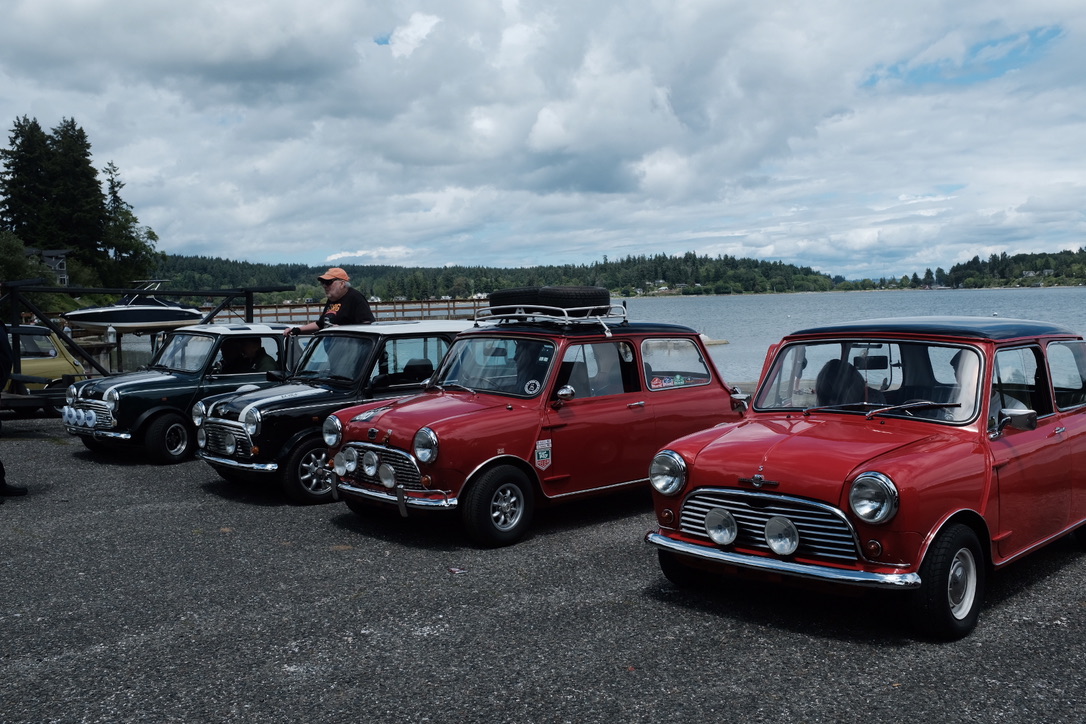
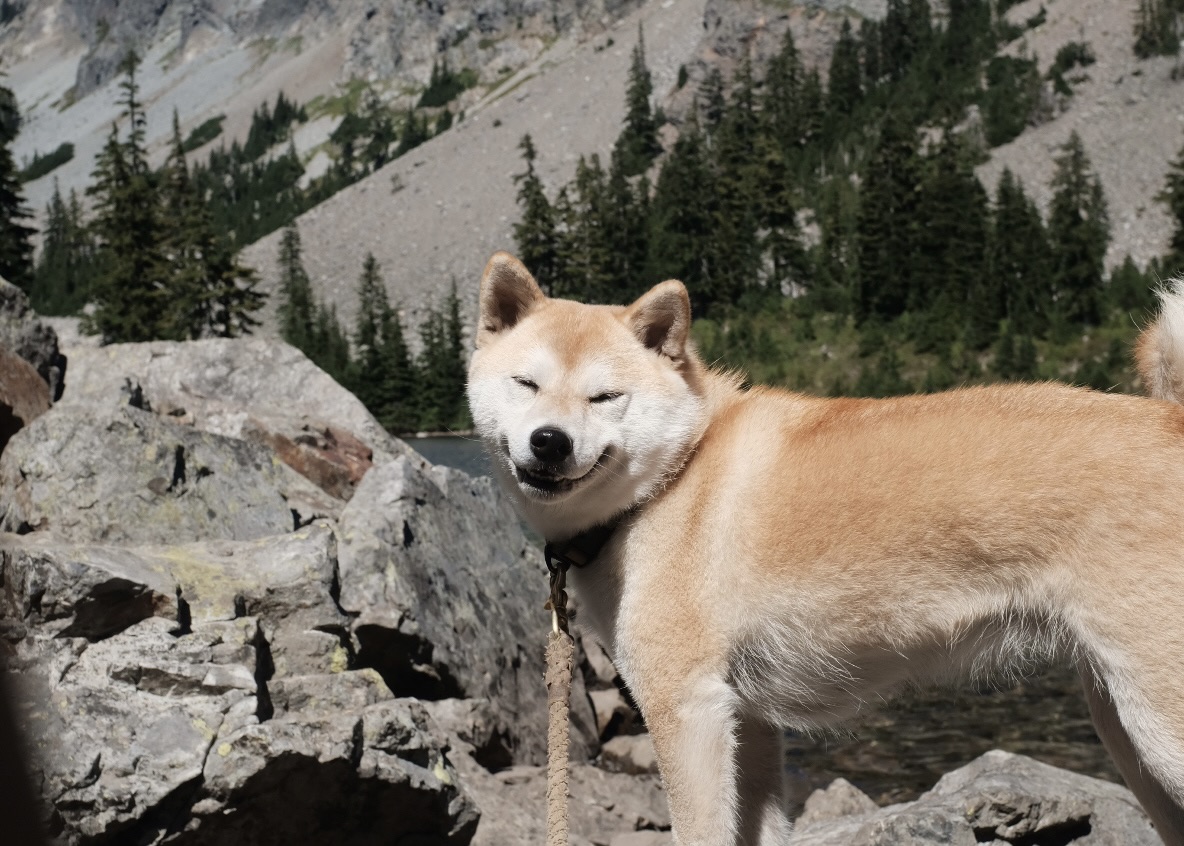


 The rest of this paragraph is filler for the sake of seeing the text wrap around the 150×150 image, which is left aligned.